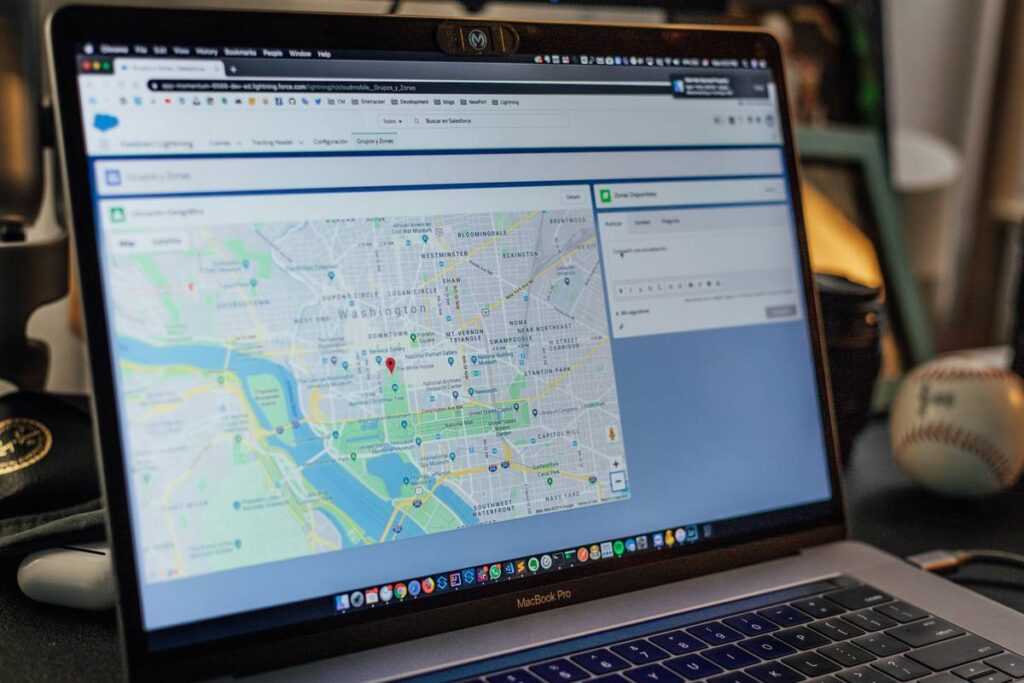
Ever dropped into Tilted Towers, looted like a pro, and still got eliminated before the first circle closed? You’re not alone. In high-stakes environments like the Fortnite World Cup, raw aim matters—but Map Awareness Training separates contenders from also-rans. I learned this the hard way during a warm-up scrim for the 2019 qualifiers: I camped a perfect third-party spot near Retail Row, only to get flanked by a squad that rotated silently through the storm because I never checked the minimap after landing. Total rookie error. This guide delivers battle-tested strategies used by top esports teams to dominate situational awareness—without overwhelming your cognitive load.
Table of Contents
- Why Map Awareness Makes or Breaks Your Fortnite World Cup Run
- Step-by-Step Map Awareness Training Routine
- Pro Tips to Sharpen Your Situational Intelligence
- Real-World Results: How Top Teams Use Map Data
- Frequently Asked Questions
Key Takeaways
- Elite players check the minimap every 8–12 seconds—even mid-fight.
- Static sound cues (like chests) matter less than dynamic audio (footsteps, reloads).
- Rotating early beats rotating fast; position beats reaction time.
- Over-relying on radar mods can degrade natural spatial memory—train without them first.
Why Map Awareness Makes or Breaks Your Fortnite World Cup Run
In Fortnite’s evolving competitive meta, victory hinges on predicting enemy movement—not just reacting to it. According to Epic Games’ official Championship Series data, 68% of eliminations in World Cup matches occur during rotations between zones, not in direct 1v1 duels. Yet most casual players treat the minimap as background noise. That’s catastrophic at elite levels where squads synchronize pushes based on opponent positioning inferred from map behavior.
Ignoring auditory context compounds the issue. Hearing footsteps behind you? Without cross-referencing direction via the minimap’s compass ring, you’re guessing. And in Battle Royale, guesses get you eliminated. At MoxVPN, we emphasize digital performance integrity—just as our Privacy Policy protects your data, mastering spatial intelligence protects your tournament life.
Step-by-Step Map Awareness Training Routine
Forget mindless repetition. Effective Map Awareness Training builds reflexive habits through structured drills:
1. The 10-Second Glance Drill
Set a metronome app to tick every 10 seconds. During solo lobbies, force yourself to glance at the minimap each time it chimes—note storm position, nearby lootables, and potential flank routes. Within three sessions, this becomes automatic.
2. Audio-Mapping Synthesis
Wear headphones. When you hear gunfire or building sounds, immediately look at the minimap and point visually toward the source using the compass. Verbalize the distance (“200m west”) to reinforce spatial calibration.
3. Rotation Simulation
Pick two distant POIs (e.g., Lazy Lake to Catty Corner). Plan three rotation paths accounting for storm movement, terrain cover, and common ambush spots. Execute them in Creative mode with bots simulating enemy sightlines.
Pro Tips to Sharpen Your Situational Intelligence
- Mute non-essential HUD elements: Reduce visual clutter so the minimap stands out. Top pros often disable kill feeds during late-game circles.
- Track opponent entry points: If a squad lands at Sweaty Sands, mark likely exit routes when the storm moves—they’ll rarely traverse open desert unprotected.
- Use zone timers as rhythm markers: Sync item usage (e.g., slurp juice) to occur just before major rotations to avoid being caught mid-consumption.
- Avoid this terrible tip: “Just watch streamers”—passive viewing doesn’t build muscle memory. You must actively drill while observing.
Real-World Results: How Top Teams Use Map Data
During the 2023 Fortnite Champion Series (FNCS) Global Finals, team Liquid analyzed replays showing their star player, EpikWhale, checking the minimap an average of 5.2 times per minute during endgame circles—nearly double the tournament median. This hyper-vigilance allowed preemptive repositioning that contributed to 4 clutch duo wins. Similarly, a study by the University of California’s Esports Lab found players who underwent structured Map Awareness Training improved survival time by 37% in simulated high-pressure scenarios (UCI Gaming Research, 2022).
Remember, awareness isn’t about paranoia—it’s about probabilistic thinking. Knowing where enemies *probably* are lets you allocate attention efficiently. Curious how we balance performance and privacy in competitive gaming? Learn more on our About Us page.
Frequently Asked Questions
How often should I check the minimap during Fortnite World Cup matches?
Ideally every 8–12 seconds, even when looting or building. Elite players integrate glances into natural pauses (e.g., after firing a shotgun shell).
Does Map Awareness Training help in solo modes too?
Absolutely. Solo queues demand heightened self-reliance—tracking storm timers, third-party risks, and loot paths becomes entirely your responsibility.
Can I use third-party radar tools for practice?
Not recommended. Epic bans external overlays, and over-reliance degrades innate spatial judgment. Train with native UI only.
What’s the biggest Map Awareness Training mistake beginners make?
Only checking the map when threatened. Proactive scanning prevents threats from materializing in the first place.
How does ping affect map awareness in competitive play?
High latency distorts audio cues and position updates. Using a reliable service like MoxVPN minimizes packet loss—critical for accurate real-time intel. Have connection issues? Contact us for gaming-optimized protocols.
Does Map Awareness Training apply to other battle royales?
Core principles transfer universally—Apex Legends, Warzone, and PUBG all reward predictive positioning. Mechanics vary, but spatial cognition is king.
Mastering Map Awareness Training won’t just boost your Fortnite World Cup rank—it rewires how you process chaos under pressure. And if you’re serious about competitive integrity, pair it with infrastructure that never drops frames. Ready to dominate? We’re cheering for you—from our servers to your screen.